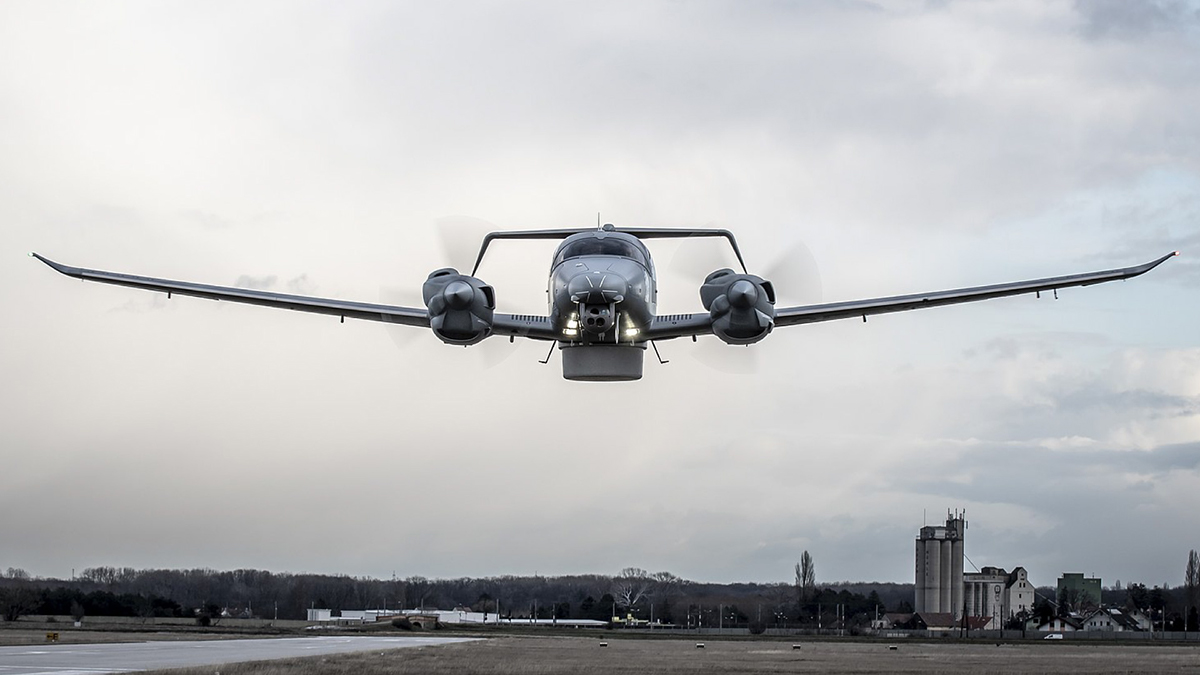
As an important department at this agency, the aviation operations division provides and supports specialized aircraft and airborne services for multiple government stakeholders. This division supports airborne technologies used in government aviation operations, including those involving unmanned aerial vehicles (UAVs). With a national mandate and a wide range of responsibilities, the division depends on a complex ecosystem of tools and technologies to support aerial surveillance,
ISR video distribution, and
real-time operational awareness across vast geographic areas.
The aircraft supporting the organization’s airborne monitoring missions play an important role in protecting citizens and the environment. Missions include environmental monitoring, infrastructure assessment, emergency response support, and operational surveillance activities.
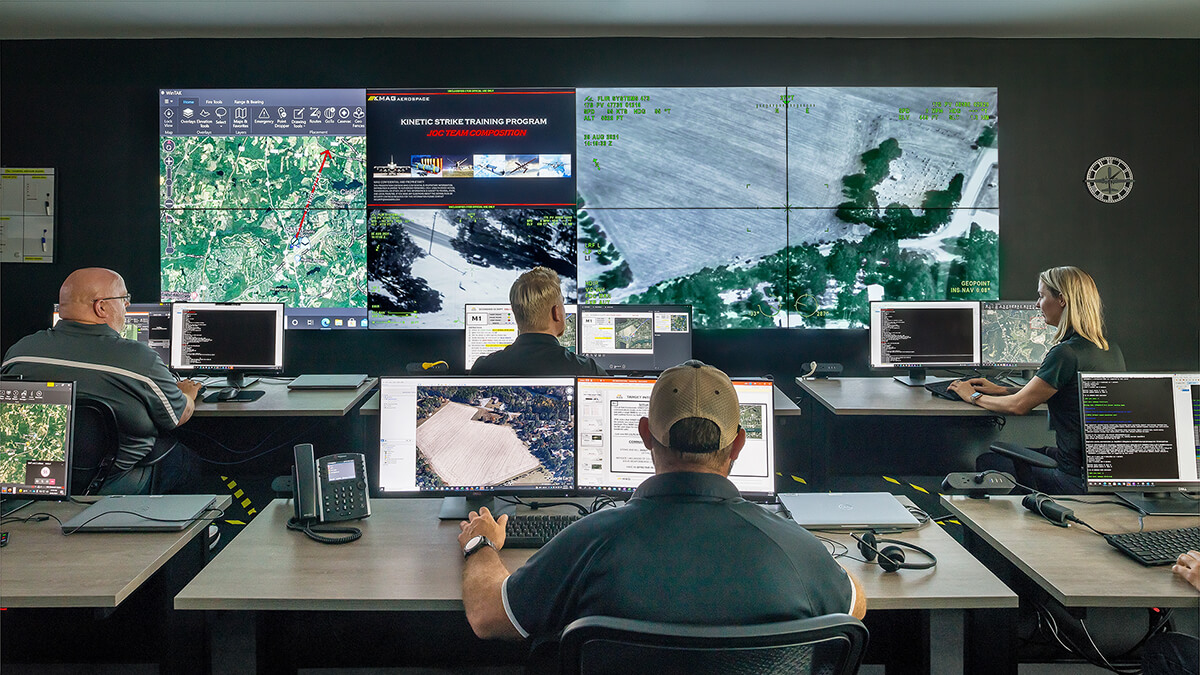
These missions generate large volumes of video and sensor data that must be distributed to personnel across multiple departments and agencies in real time. The organization supports airborne surveillance operations using specialized aircraft and UAV platforms equipped with live ISR video streaming capabilities that allow teams on the ground to monitor operations and respond quickly to emerging incidents.
However, legacy systems onboard the aircraft struggled to meet the demands of modern operations, particularly when it came to transmitting full-motion video (FMV) over constrained networks with minimal latency. For
government agencies and
public safety teams relying on live aerial intelligence, the lack of real-time video distribution can delay decision-making, reduce situational clarity, and limit mission effectiveness.
As the agency looked to enhance its capabilities for aerial surveillance, ISR video distribution, and operational awareness, it became clear that the existing FMV distribution technology onboard the aircraft was outdated and not capable of supporting the mission objectives of the surveillance program. While multiple onboard systems were in place, the FMV distribution workflow lacked the performance and reliability required for real-time operations. In addition, the system lacked a reliable way to distribute ISR video feeds to personnel on the ground who needed them.
“As we evaluated the environment, it was clear that the core challenge wasn’t just capturing video. It was getting that video to the right people in real time,” said John Lawrence, Director of Sales Engineering at Haivision.
“The existing FMV distribution approach simply wasn’t built for today’s operational demands. There was no efficient way to move video from the aircraft to ground teams, and that creates a real gap in situational awareness.”
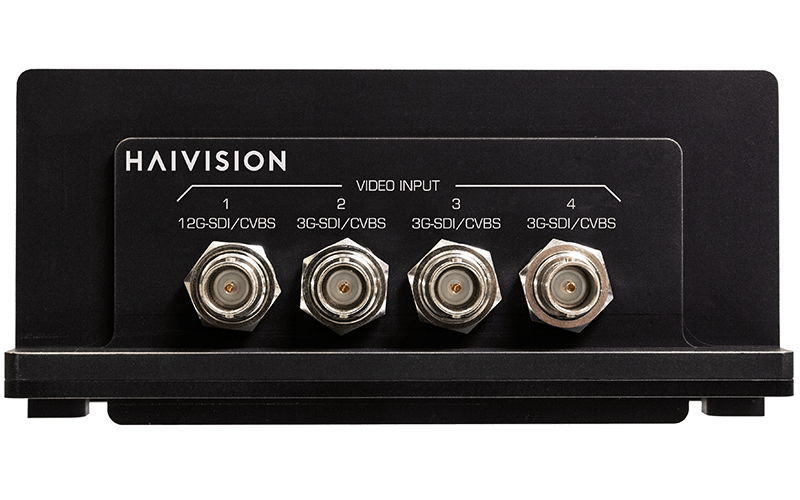
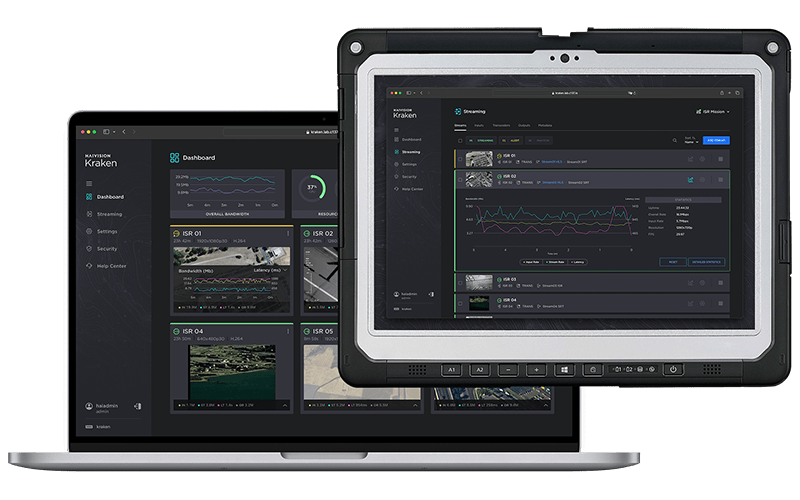
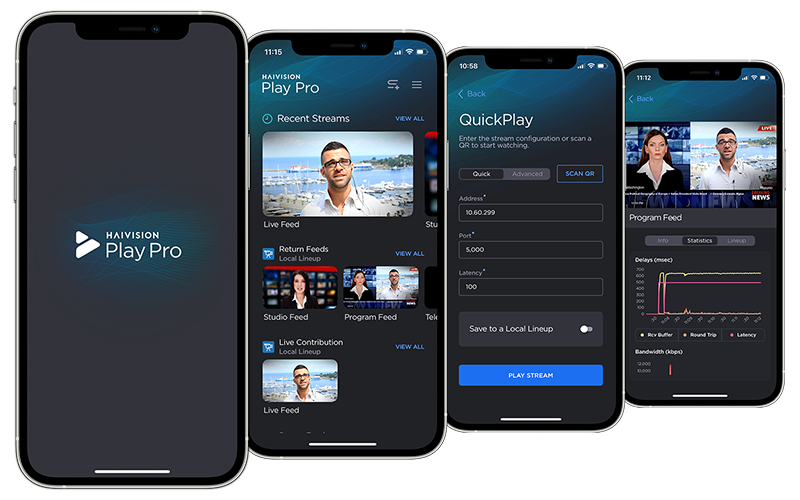
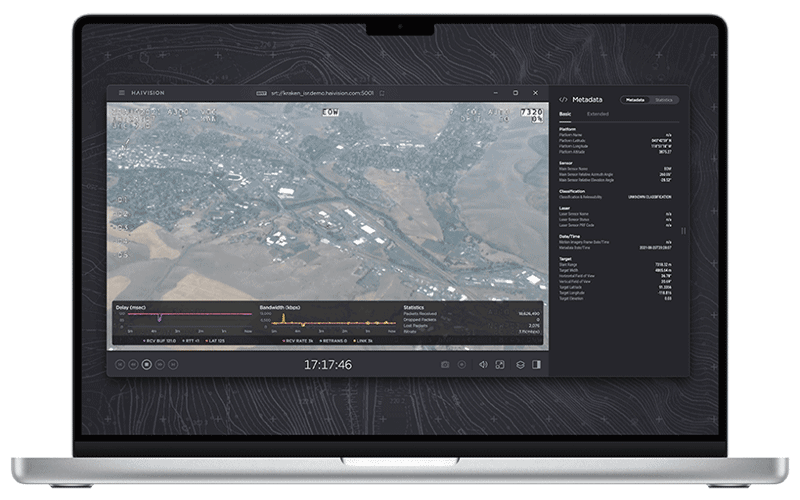
With these limitations in mind, Haivision worked together with the agency to implement an updated ISR video workflow using modern encoding, transport, and viewing technologies.