
Article Summary
ISR video is most valuable when it reaches the right people quickly and with the context needed to understand what they are seeing. An effective ISR workflow connects:
- Video acquisition at the sensor
- Reliable transport across mission networks
- Video and metadata processing
- Distribution to analysts, operators, and decision-makers
ISR missions generate vast amounts of live video and metadata from unmanned aircraft systems (UAS), fixed cameras, airborne platforms, vehicles, and other sensors. But capturing video is only the beginning.
For intelligence, surveillance, and reconnaissance (ISR) teams, the real challenge is getting that video from the sensor to the people who need it quickly, reliably, and with the mission context required to understand what they are seeing.
From acquisition and transport to processing, distribution, and viewing, each stage of the ISR video workflow plays a role in turning live video into actionable intelligence.
Acquire Video and Metadata at the Source
The ISR workflow begins at the sensor.
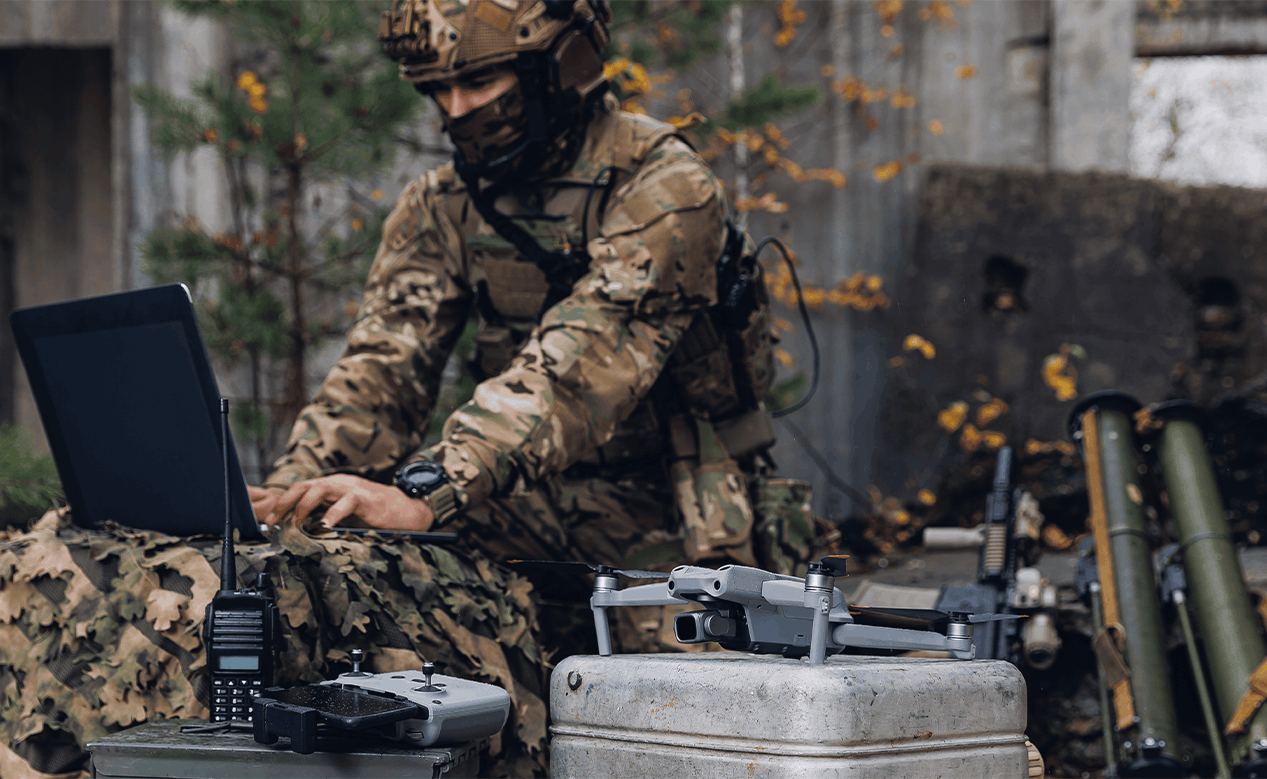
Cameras and sensors aboard UAS, aircraft, vehicles, and other platforms capture full-motion video (FMV) along with metadata that provides additional context about what is happening on screen.
For ISR applications, maintaining the relationship between video and metadata is critical. KLV metadata can provide information such as sensor location, platform position, timestamps, and geographic coordinates, helping analysts understand not only what they are seeing, but where and when it is happening.
Video encoders such as Makito can transport high-quality video at low latency while preserving the metadata required throughout the mission workflow.
Transport ISR Video Across Mission Networks
Once acquired, ISR video often needs to travel across complex and unpredictable networks.
Depending on the mission, video may move over tactical networks, satellite and LEO satellite connections, cellular networks, private IP infrastructure, or the public internet. Available bandwidth and network conditions can change significantly between the sensor and its destination.
Reliable video transport technologies help maintain video quality and continuity when networks experience packet loss, jitter, or fluctuating bandwidth. Secure Reliable Transport (SRT), for example, can provide resilient, low-latency video delivery across unpredictable IP networks.
The goal is simple: keep critical video moving even when the network is less than ideal.
Process and Prepare Video for Different Users
The same ISR stream may need to serve several destinations, each with different requirements.
A high-quality stream used by an analyst at a command center may not be suitable for a field user operating with limited bandwidth. Different systems may also require different video formats, resolutions, bitrates, or protocols.
Video processing platforms such as Kraken help bridge these requirements by supporting interoperability and distribution across ISR workflows. Video can be transcoded, optimized, and prepared for different networks, systems, and users without requiring a separate video source for every destination.
This helps organizations make better use of available ISR video while supporting users from the tactical edge to the command center.
Give Analysts the Video and Context They Need
Delivering the stream is only part of the mission. Users also need a practical way to view and interpret it.
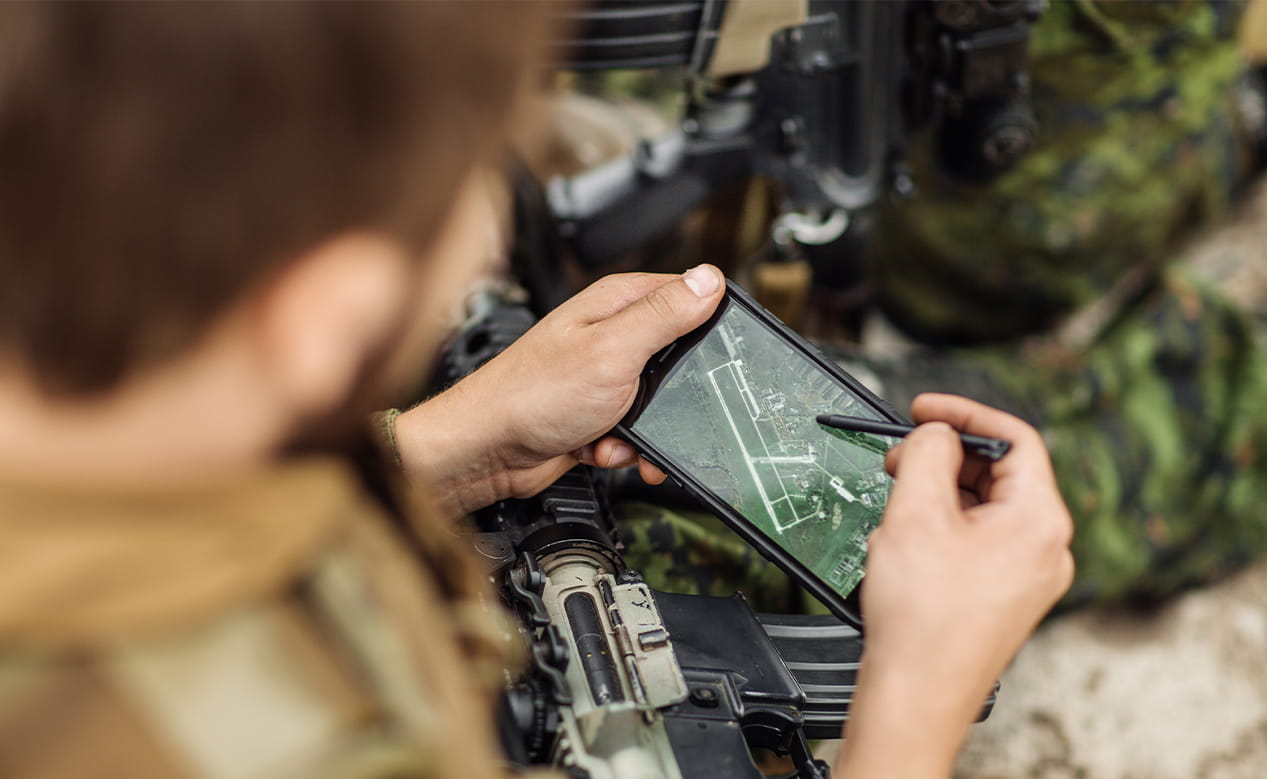
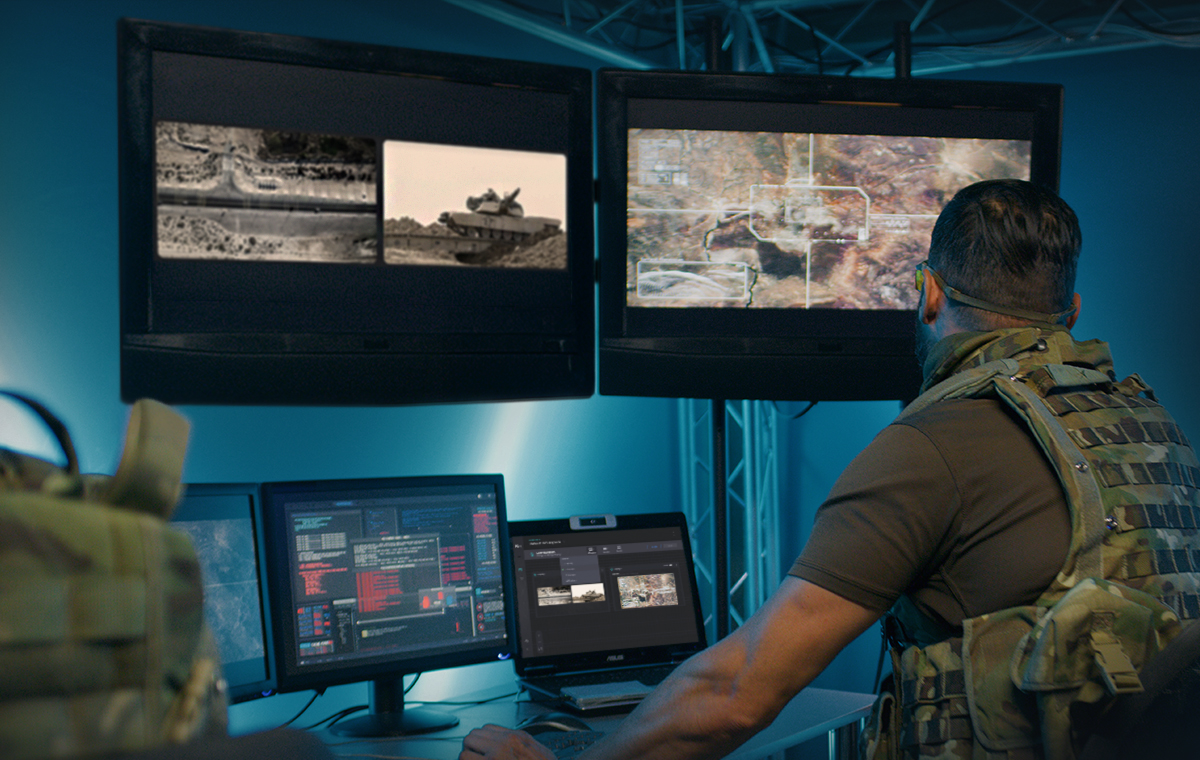
ISR video players can combine FMV with associated metadata and mapping information, allowing analysts to understand the geographic context behind what appears on screen.
With tools such as Haivision Play ISR, users can view live FMV and KLV metadata on a desktop computer. Play ISR Premium adds advanced capabilities such as interactive mapping, field-of-view visualization, annotations, recording, and review to support more detailed analysis and collaboration.
The result is video that provides more than visual information. It becomes part of a broader operational picture.
Distribute Intelligence to the People Who Need It
ISR video rarely has a single destination.
The same mission feed may need to reach analysts, command centers, field personnel, partner organizations, or users working within platforms such as the Team Awareness Kit (TAK).
An effective ISR video workflow makes it possible to distribute video and metadata across these environments while adapting streams to different network and operational requirements.
This helps extend the value of ISR video beyond a single workstation or location, giving more users access to relevant information when decisions need to be made.
From Sensor to Decision
Turning ISR video into actionable intelligence requires more than capturing a clear image. It requires an end-to-end workflow that preserves video quality and metadata, transports streams reliably, supports interoperability, and delivers information in a format users can immediately understand.
By connecting acquisition, transport, processing, distribution, and viewing, ISR teams can reduce the time between what a sensor sees and when that information can be acted upon.
What should organizations consider when designing an ISR video workflow?
Consider where video originates, who needs access to it, network conditions, latency requirements, metadata compatibility, security, and how many destinations need to receive the stream. Designing the complete workflow helps avoid bottlenecks between video acquisition, sharing, and decision-making.
Can ISR video be shared between different agencies or mission partners?
How can ISR teams manage limited bandwidth when transporting video?
Teams can adjust factors such as video resolution, bitrate, compression, and stream configuration based on available bandwidth and operational requirements. Video processing can also create optimized versions of a stream for users with different network conditions.
