
Article Summary
Real-time video is at the core of Drone as First Responder (DFR) operations. This blog explores how live video enables early visibility, aligns teams, and supports faster, more informed decisions before officers arrive on scene.
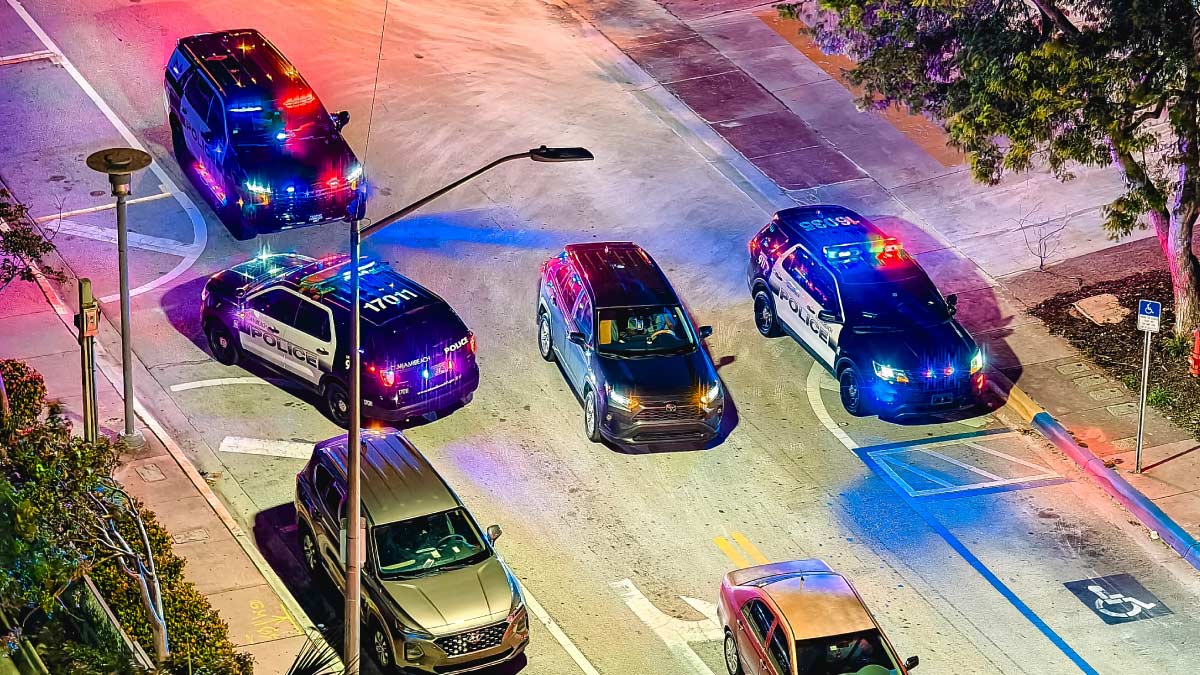
The call comes in just after sunset. Reports are inconsistent, with one caller describing a disturbance in a shopping plaza while another mentions a vehicle leaving the area. Dispatch is working to piece together the situation as officers are still minutes away, and like many early-stage incidents, the details are unclear and evolving.
But before the drone is even launched, more context begins to surface.
Adding Context Before Deployment
Using platforms like Flock Safety, dispatch can quickly identify relevant vehicle activity tied to the call. A license plate recognition hit reveals a vehicle that passed through the area moments earlier, heading east. The direction of travel is now known, and the response shifts from general awareness to targeted action.
Instead of sending a drone to broadly assess the scene, operators now have a specific objective. The drone is launched with purpose.
First Eyes on Scene: Real-Time Video at the Edge
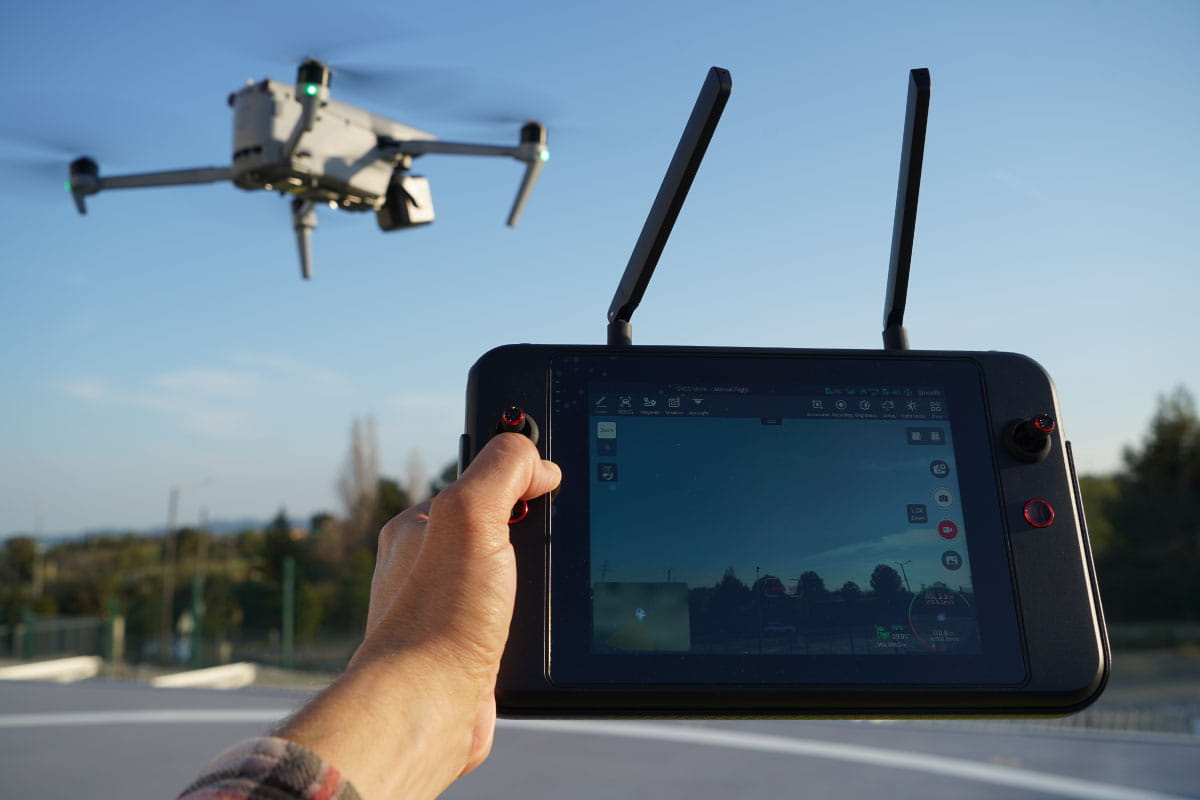
Within moments, the drone is airborne, moving quickly over traffic and rooftops. What used to be a gap filled with uncertainty is now an opportunity to gain immediate visibility. The live images begin to come through, giving operators their first real understanding of what is happening on the ground.
At the edge, this video must be captured and transmitted without delay.
Real-time video solutions from Haivision ensure that high-quality, low-latency video from the drone is streamed live, allowing operators to maintain a continuous view of the situation as it unfolds.
This is where real-time video begins to change the outcome.
Processing for Real-World Conditions
As the drone continues tracking the scene, the video must move across networks that are rarely perfect. Bandwidth fluctuates, coverage varies, and conditions can change quickly.
Video processing platforms, like Kraken, help ensure that video remains stable and usable, even in constrained environments. By optimizing and transcoding live feeds, Kraken supports reliable delivery from the field to the operations center without compromising timeliness.
This ensures that the video arriving at the command center is not only live, but dependable.
Expanding the Operational Picture on the Ground
As officers begin to arrive, another layer of visibility is added.
Platforms like Axon introduce live body-worn camera and in-vehicle video feeds, giving command staff a ground-level perspective to complement the aerial view from the drone. The situation is no longer understood from a single angle. It is seen from above and at the scene.
Now, the operation includes:
- drone footage tracking movement across the scene
- body-worn camera feeds showing officer interactions
- dispatch and mapping data providing context
This multi-angle visibility creates a more complete and accurate understanding of what is happening in real time.
Distributing Video Across the Operation
At this stage, video is no longer needed by just one operator. It must be shared across dispatch, analysts, supervisors, and field personnel simultaneously.
Solutions like Haivision Media Platform and SRT Gateway enable secure, real-time distribution of live video feeds to multiple destinations. Whether viewed in a command center, on desktops, or on mobile devices in the field, every stakeholder receives synchronized video without delay.
This eliminates fragmentation and ensures that everyone involved in the response is working from the same information.
Visualizing the Full Operation
Inside the operations center, all of these inputs come together.
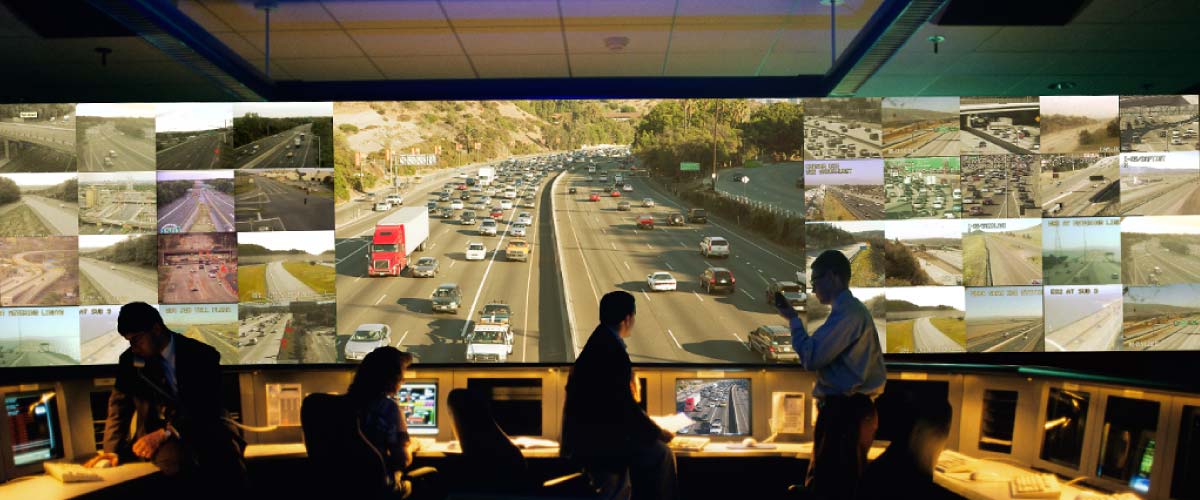
Using solutions like Haivision Command 360, drone feeds, body camera footage, Flock data, and mapping systems are centralized into a single operational view. Teams no longer need to switch between systems or piece together information manually.
Instead, they can monitor, assess, and respond in real time, with a clear and unified understanding of the situation.
Reducing Uncertainty Before Arrival
Back at the scene, the situation begins to stabilize. The drone confirms that the vehicle has left the immediate area, and officers approaching the scene can adjust accordingly. Body camera feeds provide confirmation as units make contact, while command staff continue to monitor the broader environment.
What initially appeared to be a potentially escalating situation becomes controlled and measured. Not because more force was used, but because better information was available earlier.
The Role of Real-Time Video in DFR Operations
DFR programs are often defined by speed, but speed alone is not the advantage. The real value comes from how quickly video can be captured, transported, shared, and understood.
From Flock Safety providing initial context, to drones capturing live video, to Axon delivering ground-level perspective, each piece contributes to the overall picture. Haivision connects these elements by ensuring that video moves seamlessly across the workflow and becomes actionable in real time.
In critical moments, having eyes on scene first is a powerful advantage. Ensuring that those eyes translate into shared, real-time understanding across the entire operation is what allows teams to act with clarity, coordination, and confidence.
