
Article Summary
A successful video wall installation in a command center requires more than selecting displays and hardware. It demands careful planning, integration, and long-term thinking. This guide explores how to align your video wall solution with operational goals, manage content sources effectively, and design for scalability, reliability, and ease of use in mission-critical environments.
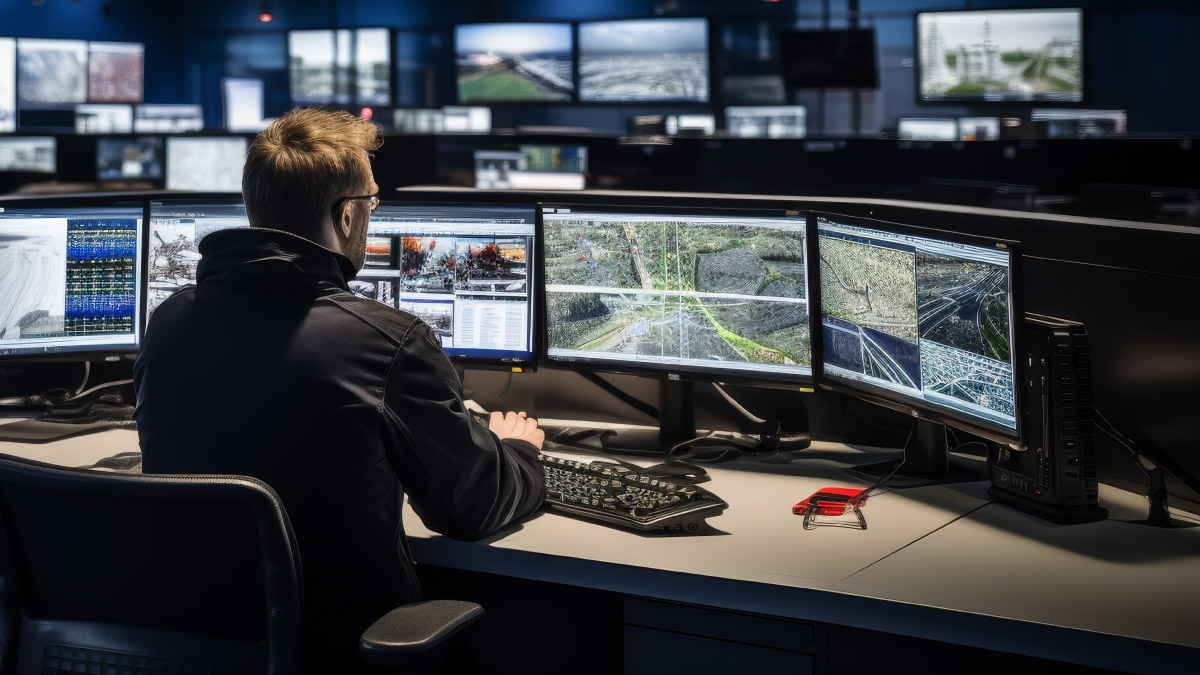
A video wall installation is rarely just a technical deployment. In command centers, control rooms, and operations environments, it becomes the foundation for how teams visualize information, collaborate, and make decisions in real time. Yet many installations fall short of expectations not because of the technology itself, but because of how that technology is planned, integrated, and implemented.
Long-term success depends on approaching a video wall solution as part of a larger operational ecosystem. From the earliest planning stages to ongoing use, every decision should support how teams work, not just how systems are built.
Start with Operational Outcomes
The most effective video wall installations begin with a clear understanding of operational goals. Instead of focusing first on displays, processors, or system specifications, organizations should define what success looks like in the room. This means identifying the types of decisions that need to be made, the information required to support those decisions, and how teams interact with that information throughout the day.
When installation decisions are driven by real workflows, the result is a system that enhances situational awareness rather than complicates it. Without that alignment, even the most advanced technology can become underutilized.
Define Content Before Design
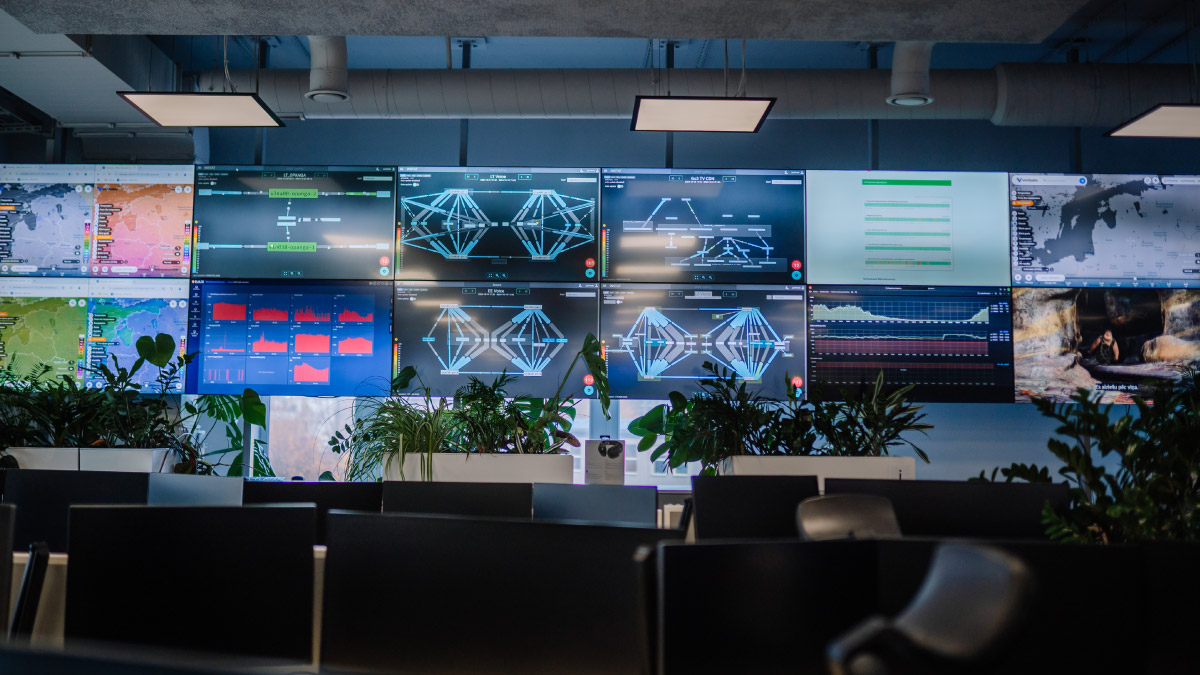
Content is the backbone of any video wall solution, yet it is often treated as an afterthought. Understanding what sources will be displayed and how they need to be displayed should happen early in the planning process. Whether it is live video feeds, dashboards, mapping tools, or applications, each source brings its own requirements for resolution, interactivity, and latency. A live surveillance feed may require low latency performance, while a data dashboard may need clarity and screen real estate for detailed analysis.
Designing without this clarity can lead to mismatched systems that fail to deliver the right information at the right time. By defining content requirements upfront, organizations can ensure their video wall is purpose-built to support both current operations and future expansion.
Take a Structured Approach to Installation
Successful video wall deployments follow a deliberate, phased process rather than a one-time installation effort. From initial discovery and system design through integration, testing, and training, each phase plays a critical role in ensuring the final system performs as expected. Skipping steps or rushing implementation often introduces issues that are difficult to resolve once the system is live.
A structured approach also creates alignment between stakeholders, integrators, and technology providers. This ensures that technical decisions support operational requirements rather than existing in isolation.
Design for Growth and Change
No command center remains static. Over time, new technologies are introduced, additional data sources become available, and operational priorities shift. A video wall installation should be designed with this reality in mind.
Systems that are flexible and scalable allow organizations to adapt without starting over. This may include expanding to additional rooms, integrating new tools, or increasing the volume of content displayed. Designing for growth from the beginning protects the initial investment and ensures the system remains relevant as operations evolve.
Build for Reliability in Mission-Critical Environments
In environments where decisions must be made in real time, system reliability is essential. Video wall solutions should be designed to support continuous operation, with infrastructure that minimizes the risk of downtime. This includes thoughtful consideration of system architecture, redundancy, and monitoring.
Reliability is not just a technical requirement. It directly impacts how effectively teams can respond to incidents, manage operations, and maintain situational awareness.
Prioritize the Operator Experience
Even the most advanced system will fall short if it is difficult to use. Operators should be able to control and interact with the video wall intuitively, without needing extensive technical knowledge. This includes the ability to quickly switch between sources, adjust layouts, and respond to changing scenarios without disrupting workflows. A well-designed user experience ensures that the technology supports the operator rather than becoming a barrier to effective decision-making.
Avoid Common Pitfalls
Many challenges in video wall installations stem from avoidable missteps.
Some of the most common pitfalls include:
- Poor planning around content sources
- Overcomplicating system design
- Lack of operator training
- Ignoring long-term maintenance and support requirements
- Designing for today instead of future needs
Projects that lack clear planning often struggle with mismatched technology and workflows. Overly complex systems can become difficult to manage, while insufficient training can lead to underutilization. In some cases, organizations focus too heavily on current needs without considering how requirements will evolve. Recognizing these risks early allows teams to take a more strategic approach and ensures the system delivers long-term value rather than short-term functionality.
Think Beyond the Video Wall
A video wall should not be treated as a standalone solution. It is part of a broader ecosystem that includes data sources, communication tools, and operational workflows. Successful installations integrate seamlessly with existing systems, enabling teams to bring together multiple streams of information into a unified view. This integration is what transforms a collection of displays into a true operational platform.
Plan for Long-Term Success
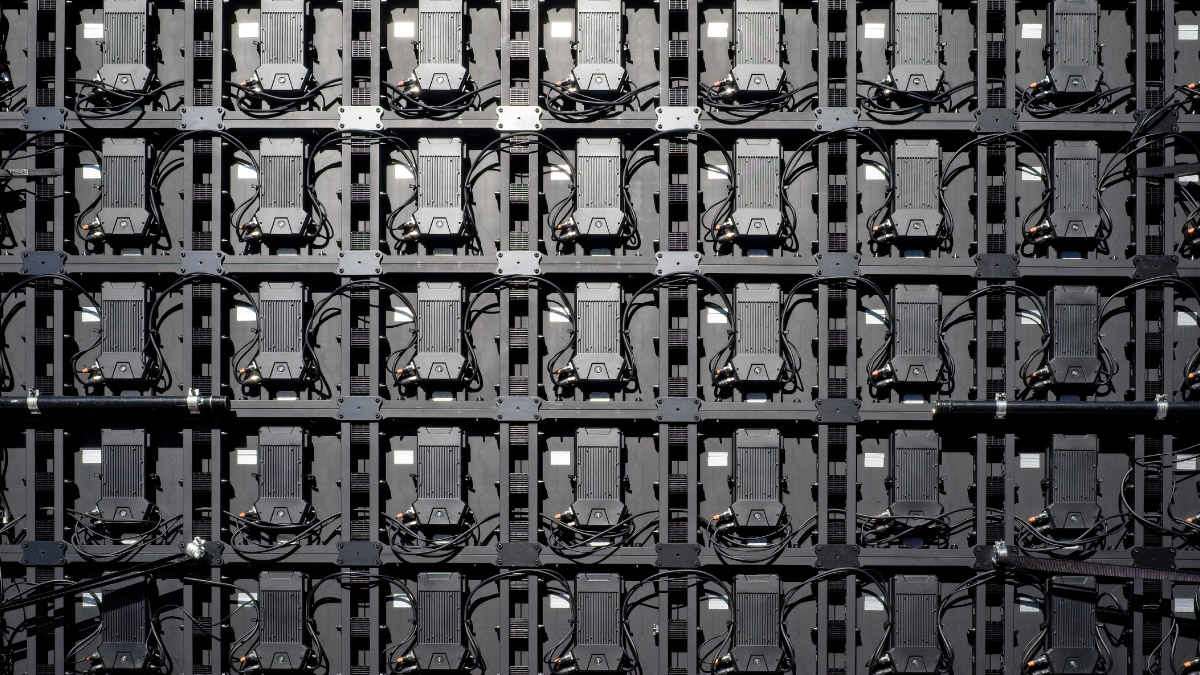
Installation is only the beginning. To ensure continued performance, organizations should plan for ongoing training, system optimization, and support. As teams become more familiar with the system, new use cases often emerge, increasing their value over time. A video wall solution that is actively maintained and continuously improved will deliver far greater returns than one that is simply deployed and left unchanged.
Building for the Future
Video wall installation in a command center is not just about getting a system up and running. It is about building a foundation for better visibility, collaboration, and decision-making over time. By focusing on operational alignment, thoughtful integration, scalability, and usability, organizations can create video wall solutions that deliver lasting impact in even the most demanding environments.
