Article Summary
Haivision enhances live production with precise audio-video and multi-camera synchronization. Its technology maintains lip-sync accuracy under 5ms, even during interruptions or network issues, eliminating the need for additional hardware. With aligned multi-camera streams over SRT or cellular networks, Haivision provides smooth switching between cameras and a consistently high-quality viewing experience.
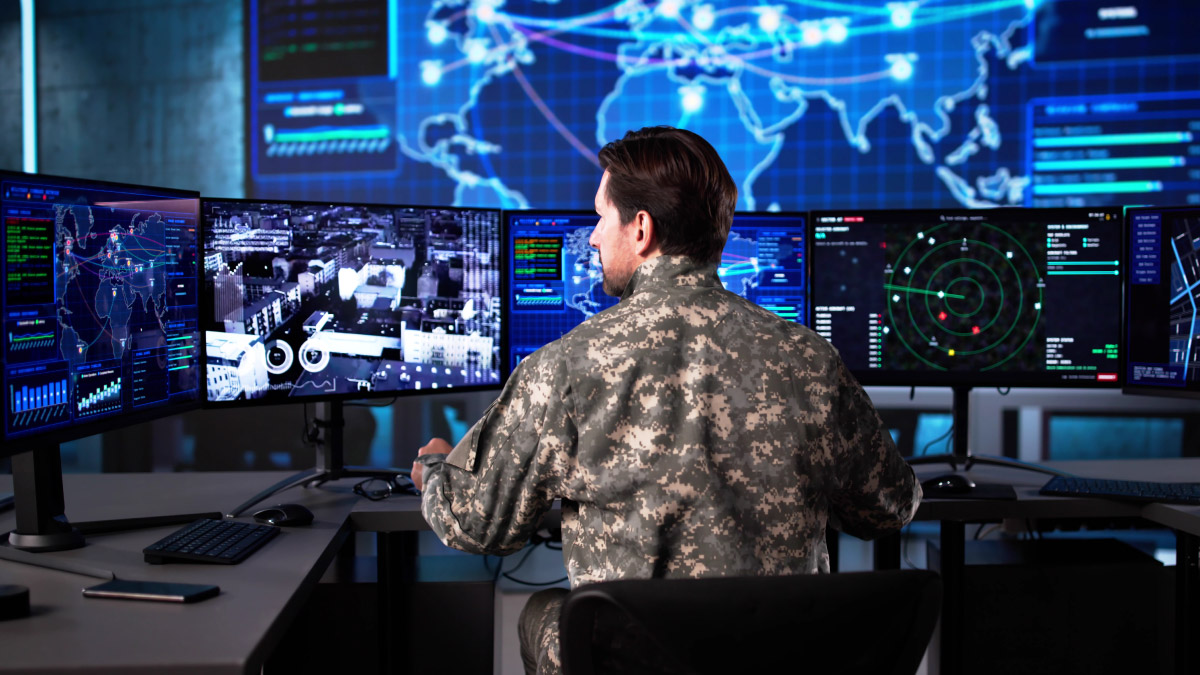
Federal agencies, public safety organizations, and defense operations increasingly rely on video and sensor data to maintain situational awareness. Drones, airborne ISR (intelligence, surveillance, and reconnaissance) platforms, body-worn cameras, maritime patrol systems, and fixed surveillance infrastructure generate massive volumes of real-time video.
The challenge is no longer accessing video; the challenge is turning that video into operational intelligence inside the command center.
Modern command centers ingest multiple concurrent ISR feeds from:
- UAV (unmanned aerial vehicle) and airborne platforms
- Fixed surveillance cameras and border monitoring systems
- Body-worn cameras and vehicle-mounted sensors
- Maritime and port surveillance
- Geospatial intelligence platforms
When these feeds arrive simultaneously, operators must quickly determine:
- Which video matters most
- How to correlate sensor data with real-world events
- How to share information across teams and agencies
“ISR workflows are not just about transporting video. They are about delivering operational intelligence to the people responsible for making critical decisions. When video, metadata, and visualization systems work together, command centers can move from monitoring events to actively managing them.” – Adam Teeple, Product Manager, Haivision
Without a structured ISR workflow, command centers risk information overload instead of situational awareness.
Why ISR Workflows Matter in Command Centers
ISR workflows provide the framework that transforms raw video into operational intelligence.
The typical ISR video pipeline includes:
- Sensor acquisition at the tactical edge
- Video encoding and metadata capture
- Secure transmission across constrained networks
- Video processing and distribution
- Visualization and collaboration inside the command center
When these stages work together, command centers gain a common operational picture that enables teams to assess threats and coordinate responses faster.
From Sensor to Screen: The ISR Video Workflow
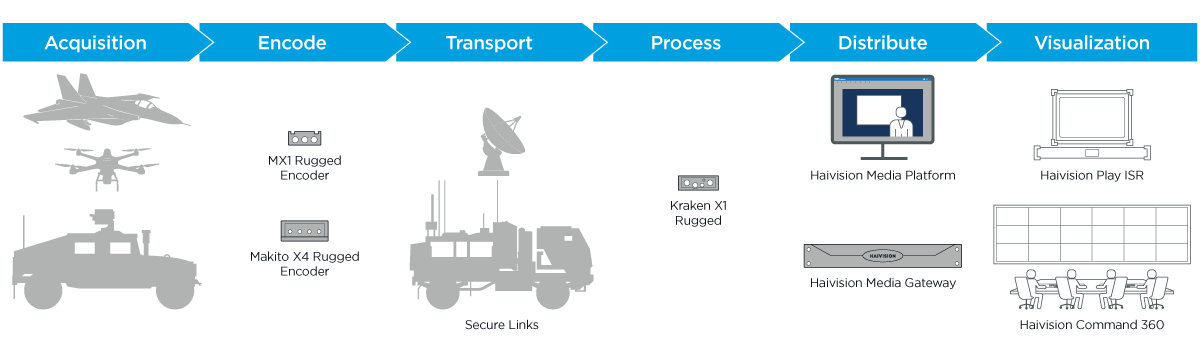
1. Acquisition at the Tactical Edge
ISR operations begin with sensors deployed across multiple platforms.
Typical sources include:
- UAV and drone cameras
- ISR aircraft and helicopters
- Ground-based surveillance towers
- Maritime patrol systems
- Vehicle-mounted cameras
- Border monitoring sensors
These platforms capture full-motion video and sensor metadata simultaneously, creating a data stream that can be used for tracking, reconnaissance, and surveillance operations.
For defense missions, ISR platforms may monitor:
- Troop movements
- Infrastructure activity
- Remote reconnaissance targets
For public safety agencies, similar technologies support:
- Search and rescue operations
- Wildfire monitoring
- Large event security
- Border surveillance
2. Encoding and Metadata Integration
Raw sensor video must be compressed and prepared for transmission.
At the tactical edge, ISR video encoders:
- Compress video using formats such as H.264 or HEVC
- Embed KLV metadata aligned with MISB standards
- Package the stream for transmission across tactical networks
Metadata is a critical component of ISR video because it provides the contextual information needed to interpret what is happening within a video feed. This data can include details such as the GPS location of the platform, the orientation of the sensor, the platform’s altitude and heading, as well as timestamps and mission identifiers associated with the operation. Together, this information enables operators in the command center to accurately geolocate video feeds and overlay them onto mapping systems, helping teams better understand the operational environment and track activity in real time.
3. Transport Across Tactical Networks
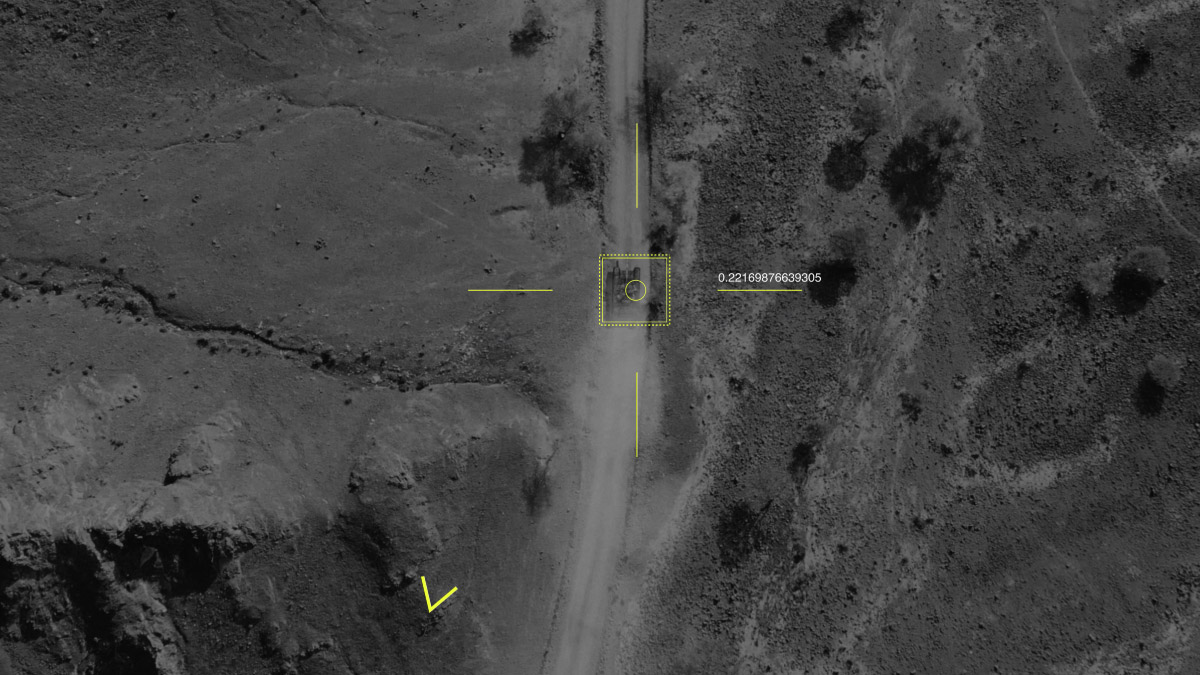
ISR video must travel from the tactical edge to the command center, often across constrained or contested networks.
Typical transmission methods include:
- SATCOM
- Tactical radio networks
- Microwave links
- LTE or private 5G networks
- Secure IP infrastructure
These environments present significant challenges:
- Limited bandwidth
- Packet loss
- Variable connectivity
Modern ISR solutions are designed to maintain high-quality, low-latency video even in degraded network conditions, using reliable transport methods that adapt to packet loss and changing bandwidth.
4. Video Processing and Distribution
Once video reaches the operational network, it must be processed before distribution.
Processing platforms typically handle:
- Transcoding between formats
- Bitrate optimization
- Stream aggregation
- Protocol conversion
- Distribution to multiple users and systems
This stage enables command centers to route ISR feeds to:
- Analysts
- Tactical units
- Command staff
- Intelligence systems
In many environments, the same video feed must be delivered simultaneously to multiple sites and operational teams.
5. Visualization Inside the Command Center
The final step in the ISR workflow is visualization inside the command center, where real-time video and data are brought together to support operational awareness and decision-making. Video walls serve as the central display environment for this process, enabling teams to monitor multiple ISR feeds simultaneously while correlating video with intelligence data and geospatial information.
By presenting a shared operational view, video walls create a common operational picture, allowing operators, analysts, and command staff to assess situations collectively and respond more effectively. Solutions such as Haivision Command 360 enable command centers to organize large volumes of video sources and dynamically display them based on operational priorities. This ensures that the most relevant information is visible at the right moment, helping teams maintain situational awareness without interrupting active operations.
ISR in Action: Public Safety and Federal Use Cases
Search and Rescue
During search and rescue operations, drones and aircraft provide aerial surveillance across large geographic areas. In command centers for these types of operations, teams can:
- Monitor UAV feeds in real time
- Correlate video with GPS coordinates
- Direct ground teams toward areas of interest
This significantly reduces response time and increases the likelihood of locating missing persons.
Border and Maritime Security
Federal agencies responsible for border protection rely heavily on ISR systems.
Border and maritime security agencies use command centers to view and aggregate video from:
- Surveillance towers
- UAV patrol flights
- Maritime radar systems
- Coastal monitoring infrastructure
Operators can track vessel or vehicle movements and coordinate response units accordingly.
Large Event Monitoring

Public safety agencies use ISR technologies to monitor large-scale events.
Examples include:
- Major sporting events
- Public demonstrations
- Disaster response operations
Real-time video feeds from drones, mobile command vehicles, and fixed cameras provide command staff with a comprehensive view of the environment.
Defense and Military Operations
In military operations, ISR video feeds support:
- Battlefield reconnaissance
- Target tracking
- Mission planning
Command centers integrate airborne ISR feeds with intelligence platforms and mapping systems to maintain awareness across the operational theater. According to NATO, ISR capabilities are central to modern defense operations because they provide the information advantage needed to support mission success.
The Outcome: Faster Decisions and Coordinated Response
When ISR workflows are properly implemented, command centers gain several operational advantages:
- Faster detection of emerging threats
- Improved coordination across teams and agencies
- Clearer situational awareness across multiple locations
- The ability to act on intelligence in real time
Rather than overwhelming operators with disconnected feeds, ISR workflows structure information in a way that supports mission-critical decision-making.